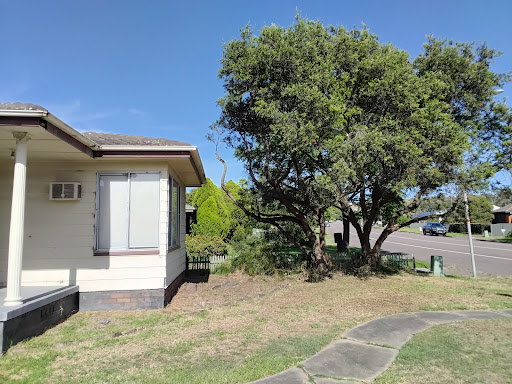
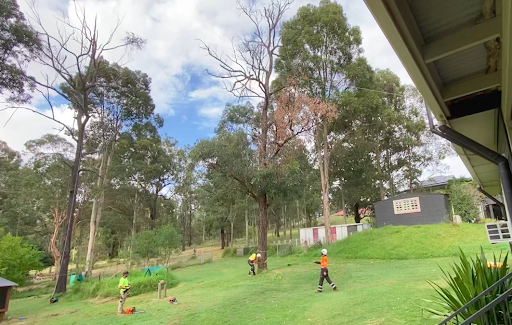
Like any other organism, trees require nutrients to survive and thrive. Generally, most of the nutrients a tree needs can be found in the soil it’s planted in. However, in some cases—especially with exotic or non-native species, or in newly developed areas—trees may require specific nutrients or treatments to flourish. Poor soil conditions or environmental stressors such as drought, flooding, or storms can cause trees to enter a state of stress. A lack of vital nutrients can lead to leaf drop, dieback, or other signs of decline, leaving the tree vulnerable to pests and diseases.
Trees often show signs of nutrient deficiency and stress through leaf discoloration, wilting, leaf drop, dieback, and stunted growth. Many of these symptoms can be easily recognized by a tree health expert and addressed promptly. The science behind tree nutrition is straightforward, and the process of amending soil to correct deficiencies is simple, safe, and involves non-hazardous chemicals and organic compounds.
If you're concerned that your tree may be suffering from a nutrient deficiency, want to give new plantings the best chance to thrive, or hope to extend the life of older trees, talk to us about our tree nutrition and support programs.
Soil health is one of the most important indicators of environmental quality and is the surest predictor of whether trees and shrubs will thrive in a given area. Key components of soil health include composition, nutrient levels, acidity, microbial activity, and water retention.
Australia, being the oldest geological continent, has some of the least fertile soils in the world. While the Hunter region is among the more fertile areas in the country, it’s still common for people to need to import soil or add fertilisers and organic matter to successfully grow non-native plants—including many native species.
If you're experiencing issues with trees, shrubs, or other plants on your property, or planning a garden or planting project in a new development, it’s essential to optimise soil health to give your plants the best chance to thrive.
Our trained plant health technicians will assess your soil’s composition, nutrient levels, acidity, microbial activity, and water retention, and provide tailored recommendations to improve soil health on your property.

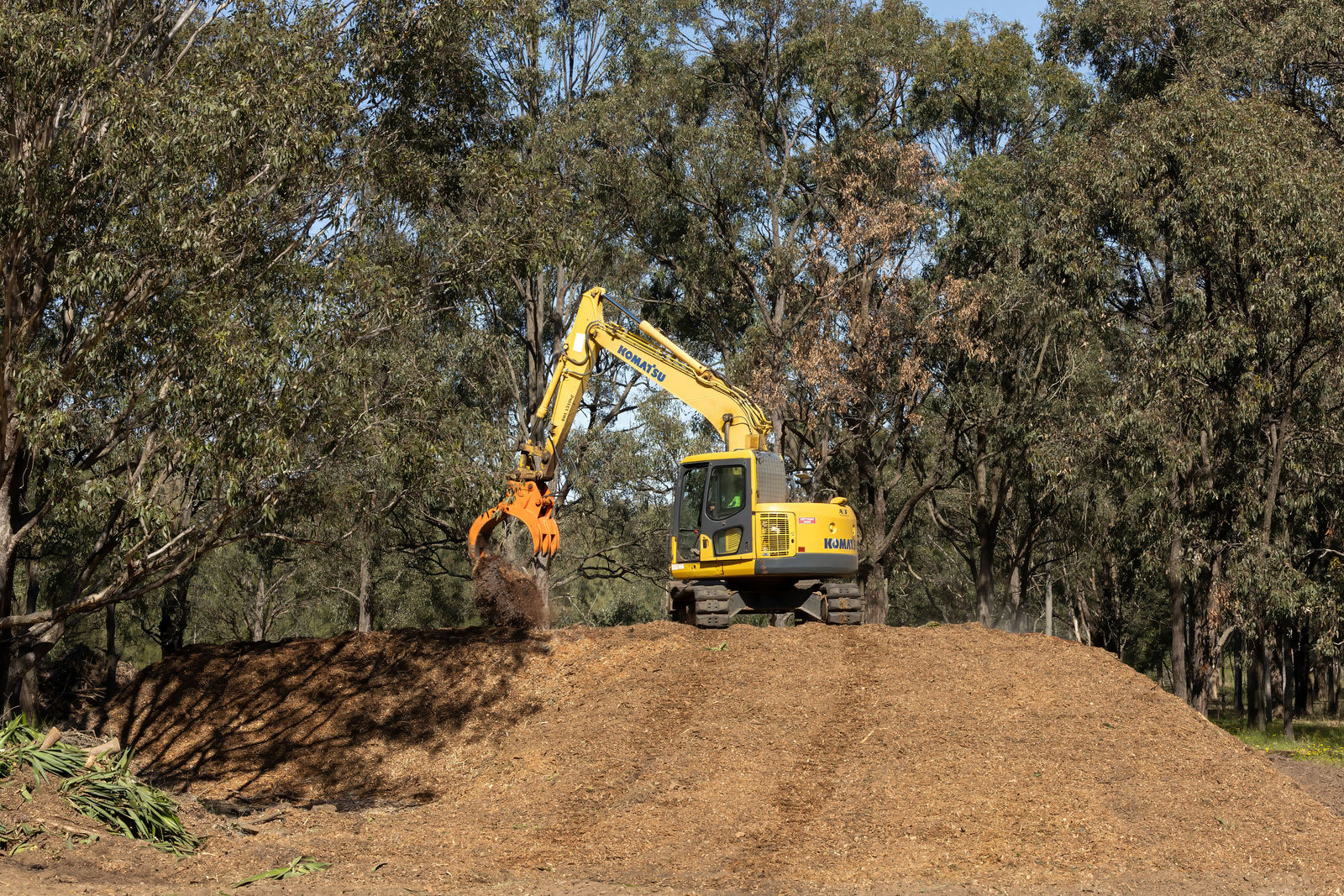
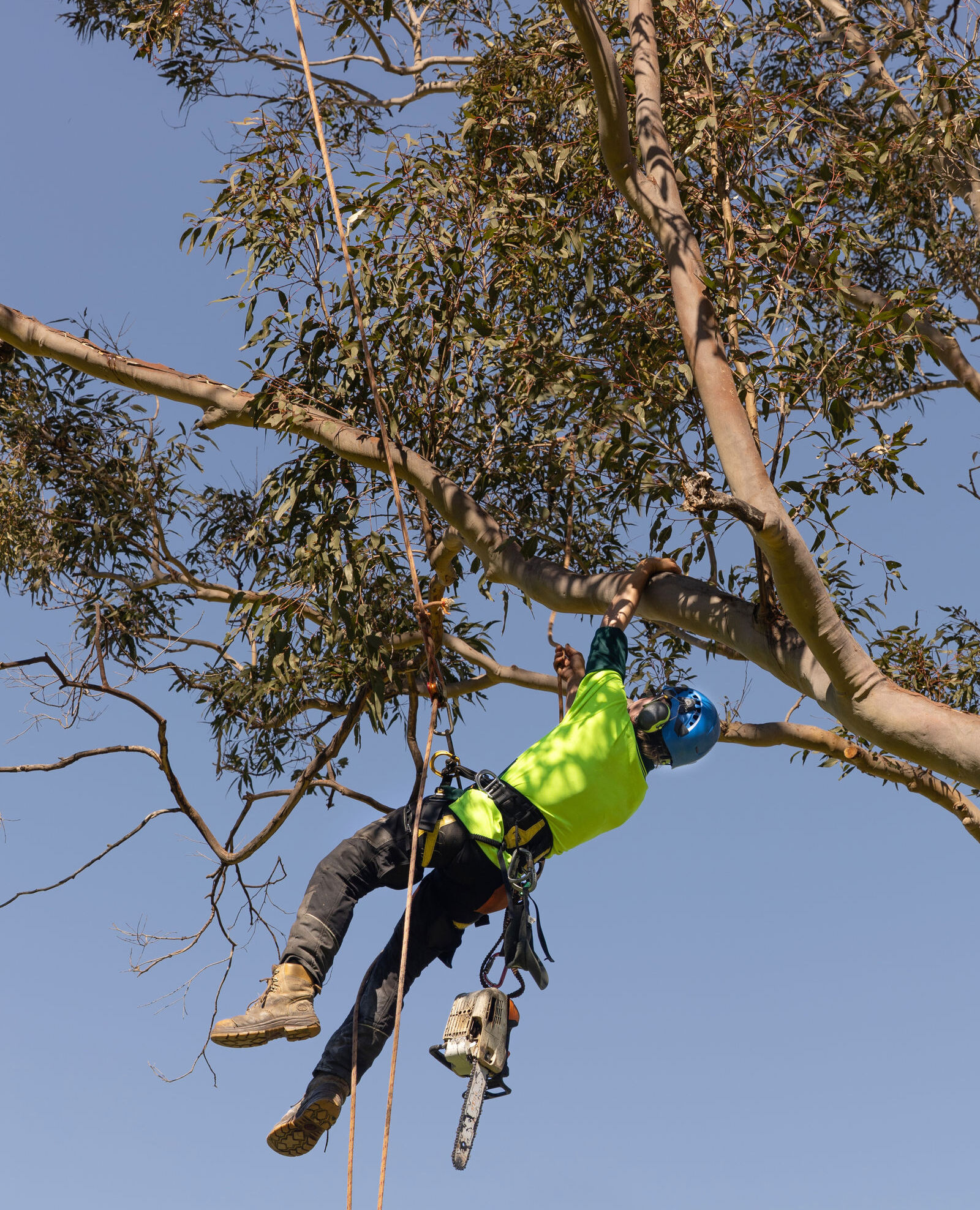
Landscaping plays a vital role in establishing a home, and trees and shrubs are key features that add significant value. Beyond their contribution to property value, they offer aesthetic, environmental, and sentimental benefits that are hard to quantify. Ideally, a tree or shrub remains in place for its entire life. However, due to space constraints or property development, removal may become necessary, resulting in the loss of the value and utility they provide.
An alternative to removal is transplanting—excavating and replanting the tree or shrub elsewhere on the property. Historically, this has been a difficult and intensive process, primarily due to the challenge of excavating around roots without damaging them. Fortunately, recent advancements in excavation technology have introduced nondestructive methods that preserve root integrity, allowing trees and shrubs to be safely relocated.
If you have a tree or shrub that needs to be moved due to space limitations or development plans, contact us to discuss transplantation options.
Whether you're planting new trees, assessing soil health, or relocating established plants, our team is here to help. Contact us today to learn more about our tree care and support services.

Whether you have a question, need a quote, or just want to say hello — reach out to us and we’ll get back to you promptly.





At Hunter River Tree Care, we provide a superior level of arborist services to residents in the middle to lower Hunter region, including those in Maitland, Newcastle and surrounding areas. Our Lochinvar-based business is family owned and operated with the assurance of a hassle-free experience.